My point was that “current professional scanners,” which I’d define as a high end machine that’s in use by a large number of users and is currently being sold, automatically excludes several on that list:
-Reflex (not a machine sold at retail, it’s a one-off as far as I know)
-DigitalVision (Doesn’t exist anymore, Filmworkz -new owner- doesn’t sell the scanner)
-Filmfabriek (I’d consider this more of a “prosumer” than professional machine)
-MWA (I have yet to hear of anyone using these in the US. I know they were more popular in Europe but are they even still around? lineup looks the same as NAB 2010).
-CUImaging (vaporware at this point)
-Filmlight (hasn’t made a new scanner since about 2008, hasn’t sold scanners in at least 10 years)
BMD’s perf recognition is the same as what I describe, just done at a different step in the process (in post, not in-scanner)
Scanity & GoldenEye use a second camera for this, but are also doing perf detection from an image, not a laser sensor.
It’s wrong about DFT Polar, which uses optical pin registration (what I’m describing)
I don’t think the kinetta web site has been updated in ages, but I believe Jeff is doing it with image-based perf detection now.
So if you narrow it down to what I was basing my comments on - actively developed, high end scanners used by professionals, they’re all optical pin reg.
@Roland you have a unique scanner design, where the laser detector is used for speed control, and triggering capture. The combination provides a very efficient setup for capturing at speed.
@friolator experience and knowledge comes from years of commercial service. It is indisputable that modern scanners use image driven detection.
In an attempt to bring back this thread to the subject, here is some information that may be useful to @Felipe_Castro.
An image based detection would give a position sample at the frame rate. And the frame rate is dependent of the cost and capabilities of the sensor.
Other detectors (mechanical or optical) may not have the same constrain.
But in the context of @Felipe_Castro project (not Roland’s project): the film is moved by NEMA17 steppers driven by TMC2209.
Tingopix uses the same stepper type and drivers, and I am familiar with its limitations.
So I wouldn’t rule out image based sprocket detection, as with the limitation of the drivers, it would be at slower speeds than realtime.
Hi, I’d like to share my experience, which began with this post:
I made progress on the design and finished a scanner model that allowed me to digitize about 25 35mm film canisters. I was going to write a post with the details later, but I didn’t get around to it… so I’m taking advantage of this thread to give a quick overview of what I did and the solution I found for counting the perforations.
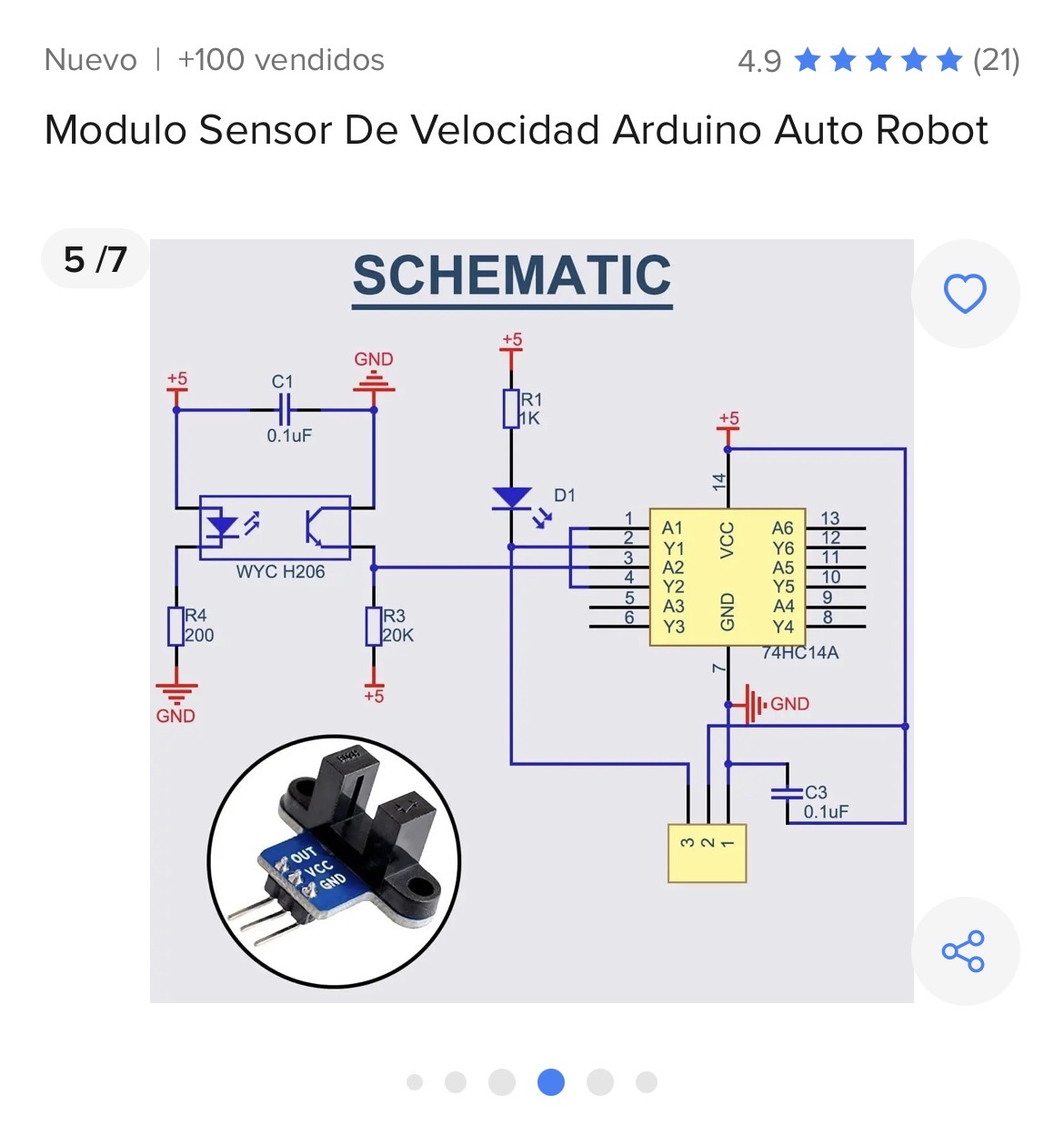
I tried lasers and various types of sensors to detect perforations, as well as OpenCV, but nothing really convinced me. At one point during development, I doubled the roller’s teeth and used a “limit switch” to count the steps/perforations. It worked well for a while, but mechanical wear took its toll, and failures became constant. So I reconnected a speed sensor between the duplicated teeth… and it turned out to work very well!
I’m not sure if I made myself clear, so here’s a playlist of all the steps I took; video 11 shows the latest version. The roller with the sensor is the one on the right (as you look out the window) with the duplicated red teeth. If this helps anyone, I can provide a close-up of it or give more details.
With this sensor, I can also measure the time between perforations and, using that data, automatically adjust the motor speed so it self-regulates as the roll advances.
I’d like to thank everyone participating in this forum once again.
My next step is to try to build a more stable prototype and share the results.
I’m also sharing the website for the archive restoration project that inspired the construction of this scanner, where you can also view the scanned material.
To save others, the link is for an optical interrupt, translating sprocket position on the 3D printed sprocket wheel to an optical encode using the sensor.